It’s never easy to deliver asequel to asuccessful whodunnit, much less athreequel. At this point, the amateur sleuths have begun to identify recurring patterns and misdirects, the characters have become archetypal, and the audience is waiting for the surprise twist on top of the twist. Writer/director Rian Johnson shows akeen awareness of potential fatigue, and his Glass Onion follow-up, Wake Up Dead Man, charts arefreshing new course while proving that despite the increasing body count, this franchise is very much alive and kicking.
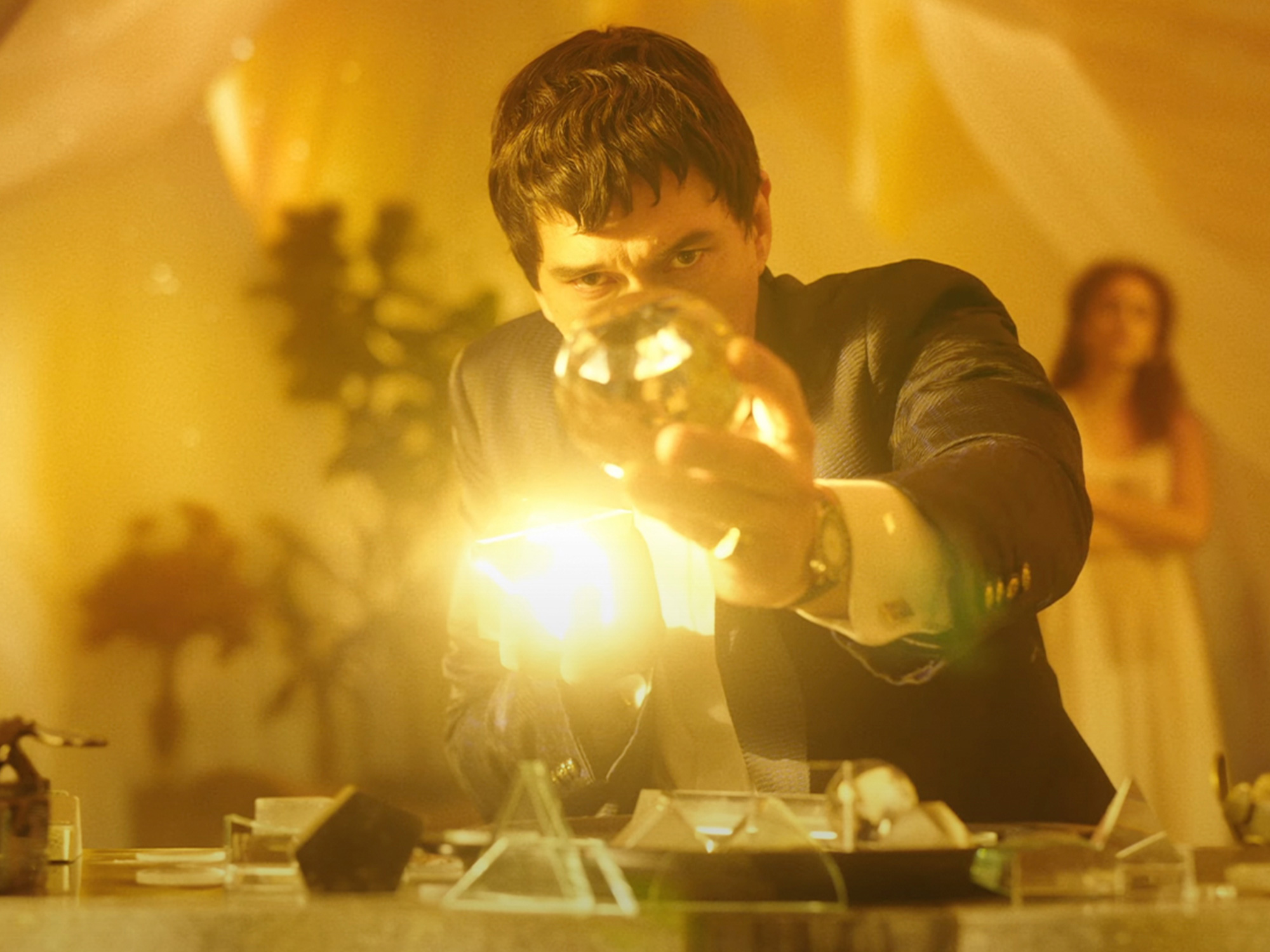
In keeping with the traditions of the genre, we first meet the key players, who are all, of course, soon-to-be suspects. Father Jud (Josh O’Connor) is ayoung priest and former boxer who is banished to asmall parish church in upstate New York. The shift from the sun-drenched Aegean setting of the previous outing to gnarled trees and darkened groves firmly roots this entry in the realms of gothic horror. Presiding over Jud’s new posting is Monsignor Jefferson Wicks (Josh Brolin), adomineering figure who rules his congregation with contempt and is surrounded by asmall flock who both loathe and cling to him. These acolytes include adedicated parishioner (Glenn Close), aput-upon lawyer (Kerry Washington), awashed-up sci-fi writer (Andrew Scott), anasty wannabe politician (Darryl McCormack) and adown-on-his-luck doctor (Jeremy Renner).
Get more Little WhiteLies
Once Benoit Blanc (Daniel Craig) arrives on the scene, he’s as amusing as ever, but takes abackseat on this occasion. While the franchise has never directly centred Blanc or detailed his personal growth (though he has now been aguest on The View), Craig’s scene-stealing line delivery and status as the only recurring character have made him the star. And yet, Wake Up Dead Man belongs to Josh O’Connor. In Father Jud, Johnson finds his vehicle for an intelligent exploration of faith, purpose and community. Jud’s conflict with his past and his opposition to Monsignor Wicks’ fire-and-brimstone sermons allow Johnson to draw parallels to our current climate of anger, hypocrisy and fear. The result is an engaging meditation that speaks to believers, cynics, and those in between – reflecting Johnson’s own complex relationship with religion.
Despite its strengths, Wake Up Dead Man leaves much of its supporting cast underserved. Close and Brolin are standouts, but the rest are less memorable. Scott, in particular, feels shortchanged by an appearance that’s essentially aseries of asides. This may be the price of having Jud as the film’s moral core, but O’Connor’s performance makes it aworthwhile trade. The case’s final unravelling is atad convoluted, but Johnson has taken viewers on enough of ajourney that it’s forgivable. The film is perhaps less carefree than its predecessor, but phrases like ‘Young, dumb and full of Christ’ illustrate ahumour that’s just as sharp and irreverent. In an entertainment landscape saturated with whodunnits, it’s impressive to see Johnson maintain his topical observations and satirical jabs while confidently recalibrating to provide amystery that shows the genre still has something meaningful tosay.