A Bronx theater gave Silent Night, Deadly Night one week. Parents had picketed the killer Santa slasher, and by the following weekend, anyone who wanted to see it had to look elsewhere. Protesters that month sang Christmas carols outside theaters, as The Hollywood Reporter later recounted. Carols. Outside a killer Santa movie.
Now jump to November 20, 2026. CitizenGO’s petition against The Body passed 130,000 signatures. Netflix had released all eight episodes nine days earlier. So when a campaign demands that something disappear, who actually gets to make that happen?
What the Parents Saw

Mostly, they saw ads. According to Bloody Disgusting, the spots showed “Santa” pulling an axe off a wall and aired during afternoon football, including a Packers broadcast in the Midwest about a week before opening. The AFI Catalog describes thirty second spots of a Santa suited hand holding an axe and knife while a voice recited “The Night Before Christmas,” and notes that Tri-Star said the ads were meant for late night. Some stations ran them in daylight anyway.
The objection deserves to be heard as parents made it: their children were watching football, and Santa was holding an axe. Two mothers in Milwaukee formed Citizens Against Movie Madness and sought the film’s removal from theaters. Parents wrote letters, many of which now sit on the film’s Blu-ray releases.
Three Separate Decisions

What followed gets flattened into “the movie was banned.” It wasn’t one decision.
Broadcasters and papers went first. WPIX in New York agreed to run the commercial only after 11 p.m., and Detroit’s WDIV declined the ads after viewer complaints, per the Asbury Park Press. The A.V. Club reports that The Boston Globe stopped running the newspaper ads. AFI, working from trade coverage, dates Tri-Star’s pull of its own TV spots to November 8, the day before opening.
Exhibitors came next, one building at a time. Three Marcus theaters around Milwaukee ended their runs after a week, and a Montclair theater dropped the film, citing the controversy. In Milwaukee, the Journal Sentinel later noted, the film lasted one week and was gone elsewhere a week after that.
Then the distributor. Tri-Star opened the film November 9 in nearly 400 theaters. It took in $1.4 million its first weekend and $782,600 its second, per The Hollywood Reporter, and Tri-Star pulled it after two weeks. Tri-Star blamed the box office when it canceled its West Coast dates. By then, the company had already pulled its TV spots and several theaters had dropped the film. Some exhibitors exercised their contractual right to keep showing it.
How Billy Came Back

Producer Ira Barmak approached Tri-Star on November 26, 1984, about getting his rights back, as Daily Variety reported the next day. He got them, with a catch that only a Christmas movie could earn: the agreement barred a theatrical re-release from September through the middle of February, which meant no holiday season. A Daily Variety piece speculated that the restriction was Tri-Star putting distance between itself and the controversy. All 400 prints went back to Barmak on April 2, 1985. Aquarius Film Releasing took domestic theatrical distribution that September, International Video Entertainment took home video, and the film opened in Los Angeles on March 7, 1986.
The Chains That Refused Scorsese

Martin Scorsese’s religious drama The Last Temptation of Christ shows the same split from the other side. In 1988, General Cinema, Edwards, Luxury and Wometco refused to screen it in any of their theaters, according to AFI. PBS counts 150 theaters for Edwards alone. Universal released it anyway on August 12, in nine theaters, for $401,211 and a $44,579 per screen average, per Box Office Mojo. The Los Angeles Times covered the opening weekend, and the Jewish Telegraphic Agency reported packed houses. A full room in Los Angeles meant nothing to someone whose nearest screen belonged to Edwards.
The Body and the Click

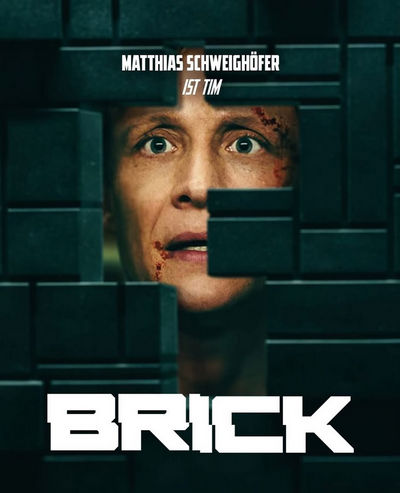
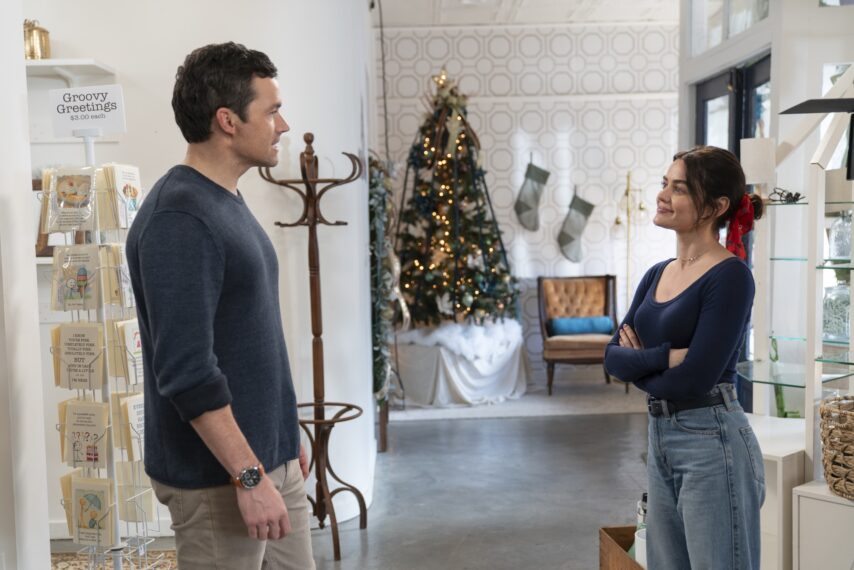
The Body is a Netflix horror series from Quinn Shephard about a Catholic school dance team whose initiation sparks mass hysteria. CitizenGO launched its petition November 5 asking Netflix to stop the premiere. It accuses the show of “defiling the faith of millions of Christian families,” as What’s on Netflix quotes it. iHorror reported more than 90,000 signatures on November 17 and more than 130,000 on November 20.
A signature count tells us how many signatures the campaign recorded. It can’t tell us how many signers watched the show, why anyone pressed play, or what Netflix executives think privately.
What a Petition Can Do

Can a petition kill a horror movie? A campaign can help end a local run. In 1984, people who wanted to see Silent Night, Deadly Night lost screenings while the argument was still going. Some never got an opening weekend at all.
CitizenGO asked Netflix to stop The Body before its premiere. By the time the petition passed 130,000 signatures, all eight episodes had been out for nine days. As of November 23, Netflix still lists every one.
Fan verdict and scores by iHorror