In an essay about planning afestival of Palestinian film at Columbia University in New York in 2003, Palestinian filmmaker Annemarie Jacir wrote that the aim was to “intervene and contribute to the rather disappointing cultural discourse on Palestine in the US” by showcasing nuanced films from the diaspora. She described a “communal urgency” in resisting the systematic destruction of Palestinian civil and cultural life.
Two decades later, the ethos and challenges Jacir recounts in her essay are reflected at TPFF, and amplified inThe Encampments, which documents the Palestinian solidarity movement at Columbia University. The University of Toronto had its own encampment, one of the largest in the world and the longest held in the school’s history, says Sara Rasikh, one of the encampment organizers. She, along with many students, are in attendance for the screening. The conversation that follows is between her and other organizers – including aColumbia student who fled the US fearing persecution – and is illuminating and deeply moving, concluding with astanding ovation.
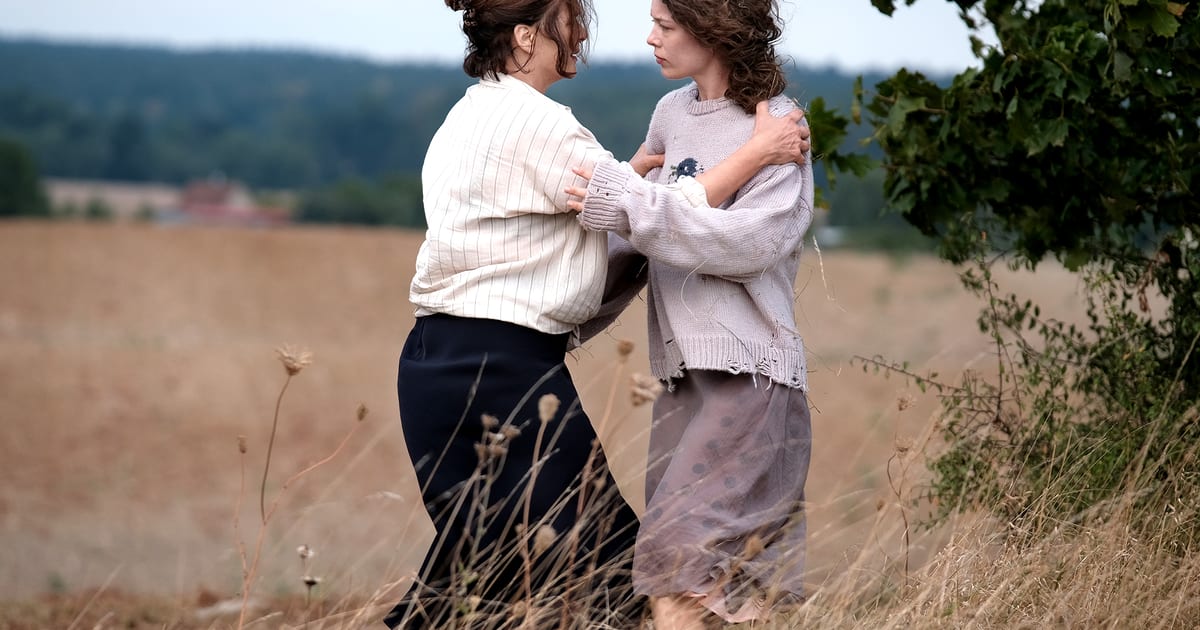
Closing the festival, asold-out screening of the deeply intimate and expertly shot epicAll That’s Left of You from Palestinian-American filmmaker Cherien Dabis tells the story of aPalestinian family from 1948 to present day. It’s afine example of cinema accomplishing what other forms of media have failed to do: humanize the Palestinian experience. “With this film, Iwanted to put ahuman face on the headlines,” says Dabis in an email to Little White Lies. “I wanted to explore how our specific history has shaped us, but Iwanted to center afamily in order to make the story universal. In many ways, this could be any family, because what family hasn’t experienced political hardship whether now or in the past?” The film was shot in Cyprus and Greece, but mostly in northern Palestinian refugee camps in Jordan, after the crew was forced to pack up production in the West Bank following October 7. “We had to look for Palestine everywhere but Palestine,” Dabis says. It was by far the most challenging experience of her life, also emotionally: “We were essentially making amovie about what was happening as it was happening”. But the film was also agift. “To have acontainer for all our grief and anger and love, to be able to create at atime of such destruction gave us all adeep sense of purpose and focus,” shesays.
Reflecting on having the film screened as part of TPFF, Dabis says that it means alot to her to receive and provide support to the community. “Just as much as Imade this film for those who don’t know enough about us, Ialso very much made it for us. To represent us. To represent atime in our history that we’ve never before seen in cinema: urban Palestine in 1948, that time before we lost itall.”
In their closing speech, the festival organizers begin with aland acknowledgment, recognizing that the Lightbox stands on the territory of several indigenous nations, and continue with aheartfelt appreciation for festival sponsors, volunteers and supportive TIFF Lightbox staff. “We want to transform the festival and our city into aspace that can nourish your soul, surrounded by people who see Palestine and justice clearly, and hold its people in their hearts,” says Boulos to the crowd. As for what’s next, more year-round events and more grant applications, the organizers say, with some granting institutions now demanding to know why TPFF insists on holding its in-person festival (it’s also available online for alimited time) at the Lightbox. “Well, why not?” asks Majid. Why not, indeed.







![Will Trent Kills Off [Spoiler]: Its A Reset For Our Characters That Is Painful But Exciting For Season 5 – TVLine](https://www.tvline.com/img/gallery/will-trent-amanda-wagner-dead-killed-off-sonja-sohn-season-4-exit/intro-1776217660.jpg "Will Trent Kills Off [Spoiler]: Its A Reset For Our Characters That Is Painful But Exciting For Season 5 – TVLine")



:quality(85):upscale()/2026/04/13/934/n/1922564/03fde3dd69dd5f3329e5d5.08160835_.png "We Channeled the '90s in Guess For Coachella Weekend – Starting at")